
Neon red letters illuminate audience screens as pulsating ‘80s synthesizers cue the iconic introduction for one last time. In its decade-long run, the supernatural horror television series “Stranger Things” has become a cinematic masterpiece and an alternate dimension for its devoted fans, ingeniously reflecting the human experience through battles against supernatural evils.
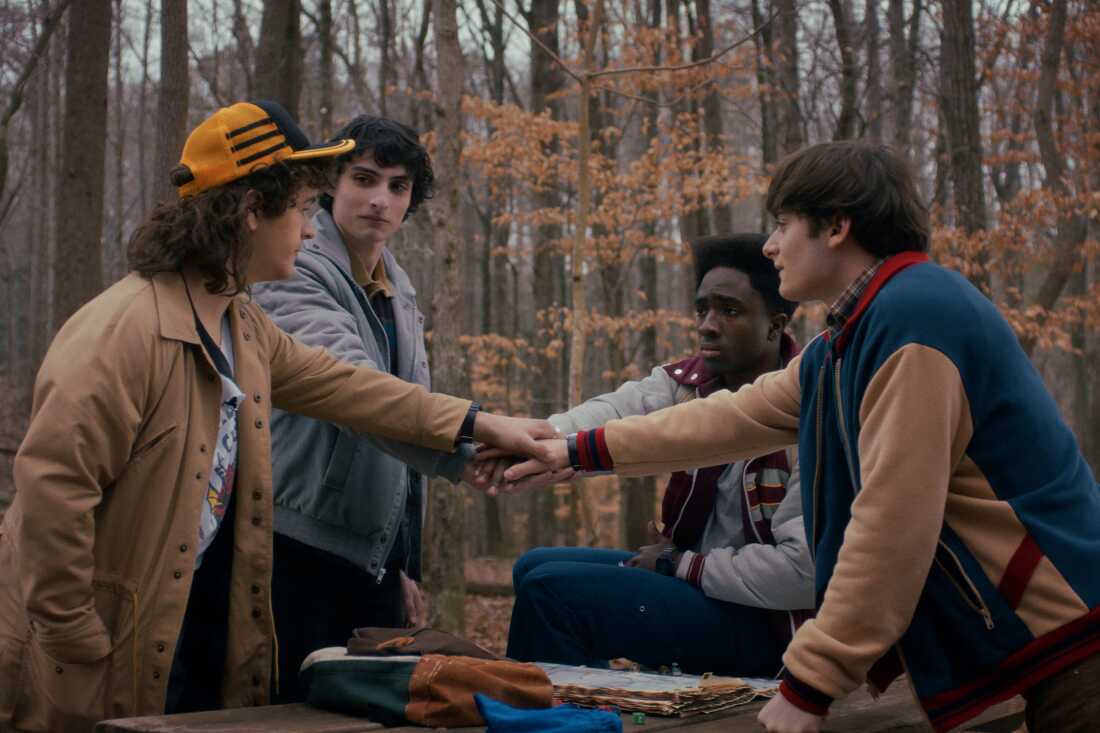
Throughout its first four seasons, “Stranger Things” maintained its core themes surrounding friendship and courage over its eerie, suspenseful backdrop. Just a troop of nerdy boys investigating their friend’s mysterious disappearance developed into years of captivating its audience. Not only was the series praised for its tasteful cinematography, but earlier seasons established inseparable character dynamics, pulling on fans’ heartstrings and raising the stakes of inevitable, climactic face offs in the Upside Down — an eerie parallel dimension of Hawkins, Indiana.
Despite its long-held reputation, however, Season 5 — released over three volumes — faced severe online backlash from its fandom. Viewers expressed their disillusionment when the highly anticipated final season failed to meet their expectations.
Audiences criticized its growing cast, imputing the lack of emotional resonance in main character Will’s coming out scene to both its inappropriate timing and unnecessary minor characters. A moment that, for many LGBTQ+ youth, is an intimate, vulnerable conversation instead came across as rushed and wildly out of place, given the life-or-death circumstances the characters faced. Furthermore, the presence of minor characters such as Vickie and Murray hindered the immersive experience for viewers, making the long-held anticipation of Will’s coming out scene feel underwhelming.
Additionally, such side characters involved in the final battle had extensive screen presence with no proper explanation of their motives. Critics argued that these side quests of additional characters only diverted focus from the season’s objective — to strategically organize their best defenses against Vecna, the monstrous protector of the Upside Down— and consequently diminished the sense of imminent danger for viewers.
No major deaths occurred besides the main character Eleven’s, which was heavily foreshadowed throughout the earlier episodes and ultimately came across as an unsurprising ending. The overall loss in the individual character arc struck many viewers with disappointment, and major events throughout the plot appeared cliché.
As a result, audience ratings plummeted to 56 percent on Rotten Tomatoes, sharing dissatisfaction with Season 5, Episode 7 “The Bridge” receiving the new lowest rating of the series at 5.7/10 on Internet Movie Database.
Even with the online discourse and disappointment over Season 5, “Stranger Things” remains a worldwide sensation and has attracted the passion and attentiveness of all demographics across its decade-long run. The show’s setup in the ‘80s effectively demonstrated the show’s approach in addressing social issues during its set time period, setting the show apart from many other ‘80s shows. From Joyce Byers being a single mom to Lucas facing microaggressions regularly and Jonathan swimming in drug addiction, the show, in its earlier years, constantly reminded viewers that it is not a mere action series. Rather, the characters felt like individual entities with real problems and unique stories.
Fan favorites such as Robin and Steve’s platonic chemistry and Billy’s coming-of-age story were beloved for their authenticity — Robin’s witty humor, Steve’s exceptional character growth and Billy’s caring for his sister served as elements that keep the show a classic.
“Stranger Things” was never about characters becoming heroes of their own story. Whether it is Lucas playing Max’s favorite song in her hospital room, Nancy taking her perfect aim to access Holly or Will harnessing his inner powers to protect Robin, the series sends a resonating message that in times of monsters and Demogorgons, people will fight endlessly for the ones they love.