


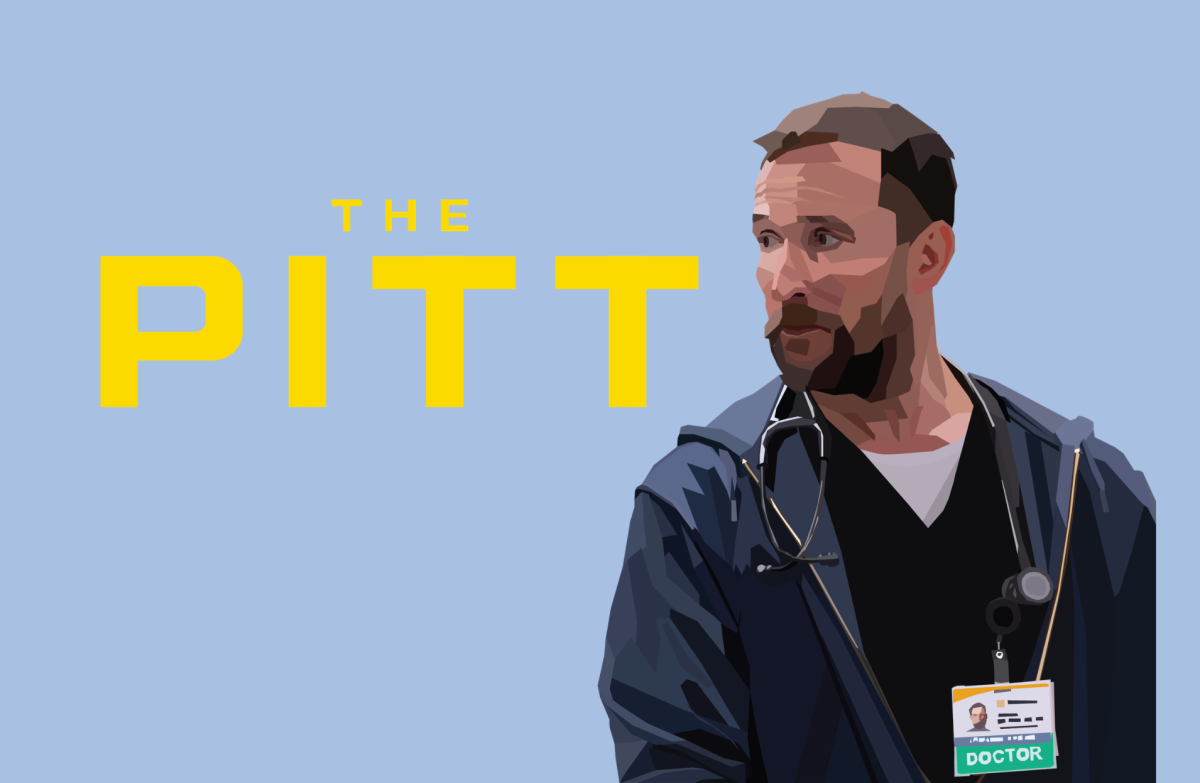
With its first season premiering last January and its second season currently in the process of being aired, HBO Max’s smash breakout show “The Pitt” has posed a question for both casual viewers and medical professionals alike: Can it be heralded as the most accurate modern-day medical drama in TV history?
“The Pitt” is directed by former “ER” actor Noah Wyle, who also stars in the new show. Its plot follows a group of emergency room physicians — ranging from nurses to medical students to attendings — through one shift in the Pittsburgh Trauma Medical Center, the hospital where they work. The show illustrates the intense, high-stakes and exhausting lives of frontline healthcare workers, with each episode of the 15-episode season chronicling just one hour of a 15-hour shift. The first 14 episodes of season one averaged 10 million viewers per episode and led to five Primetime Emmy wins, with 29 total wins and 60 nominations. Season two, which began premiering in January 2026, kept up with the first season’s powerful trajectory, opening with 939 million minutes viewed in the U.S., 10% higher than the season one finale.
One of the biggest factors playing into the show’s success and one of the main reasons it has become so popular amongst healthcare workers specifically is its unique focus on medical accuracy and realism, a stark contrast to other well-received medical shows like “Grey’s Anatomy” and “House,” which tend to highlight drama and romance instead. A 2017 survey by the Pew Research Center found that 66% of Americans believe that medical shows focus more on entertainment than accuracy. Additionally, according to TV Insider, “Grey’s Anatomy” is often rated at a mere 3 out of 10 by experts in terms of medical realism. Yet, despite most people recognizing that these shows are not very accurate, they remain extremely successful and continue bringing in high viewership worldwide, reeling audiences in with shock value and soap-opera-esque storylines. In medical dramas, the stakes are far higher than in most other shows, providing an element of tension and suspense that keeps people hooked regardless of the show’s accuracy.
Although “The Pitt” certainly showcases interpersonal relationships between the staff, it is not a main facet of the show’s plot. Despite it being much more typical for medical shows to focus on drama, flair and the more generally glamorized aspects of the medical field, “The Pitt” veers in the opposite direction and medical professionals have commended it for doing so. For example, New York-based family doctor Mikhail Varshavski, more commonly known by the name of his popular YouTube channel, “Dr. Mike,” has amassed millions of views by reviewing episodes of “The Pitt” in detail, where his reception has been almost entirely positive. Dr. Mike has mentioned the beneficial impacts of “The Pitt” within his own community of subscribers, with many now having increased awareness of the hard work that doctors do, as well as the overall lack of resources and support present for workers in the healthcare field, especially in emergency rooms. Shedding light on these systemic issues that have been overlooked for decades has inspired viewers to take action in various ways — whether it is through signing petitions, protesting or speaking up on social media.
“The Pitt” stands out to audiences in that it is unafraid to delve into the more gory, tragic and terrifying aspects of what it means to be a healthcare worker. For example, the last few episodes of season one focus on a mass-casualty event — specifically, the hospital’s protocol in response to a mass shooting. Similarly, the season 6 finale of “Grey’s Anatomy” follows a hospital shooting. However, while “The Pitt” focuses on the actual steps the staff takes to prepare for the event and how they manage the large outpouring of patients, “Grey’s Anatomy” leans much more heavily on how the event affects the personal relationships and emotional states of its characters. “The Pitt” also explores other lesser-discussed issues within the healthcare system, including health insurance disparities, caretaker fatigue, workplace violence and teenage pregnancy. Instead of portraying healthcare as a melodramatic and theatrical line of work, the show depicts the setting of an emergency room in a brutally honest and candid way, illustrating the chaos that ensues due to the overburdened and underfunded nature of the healthcare system.
The importance of accuracy in career-centered shows like “The Pitt” is more significant than most realize. With a large proportion of the show’s target demographic being teenagers and young adults who are thinking about their futures, the media they consume is extremely influential. Other popular career-based shows, such as “Suits,” “Criminal Minds” and “Brooklyn Nine-Nine,” have all followed the same pattern as “Grey’s Anatomy,” drawing viewers in with overdramatic and romance-centered storylines. Shows that amplify drama can often be deceiving representations of what these careers actually entail, guiding people — particularly the youth — towards career paths that are not right for them and may challenge the expectations that these over-glamorized shows have established. For example, “The Pitt” is one of very few medical shows that frequently discusses the brutal reality of medical school, including the long nights and hefty workload, whereas shows like “Grey’s Anatomy” tend to focus significantly less on the hard work and grit it takes for one to even enter residency.
Some argue that television shows are meant for entertainment purposes, and if everything were hyper-accurate, it would not be compelling enough to maintain viewers. “The Pitt,” however, disproves this by demonstrating that being accurate and being entertaining are not mutually exclusive — a show can do both. The daily happenings in an ER, as harrowing as they are, are engaging enough without throwing in unnecessary drama.
Said critic Angie Han in a review for Yahoo Entertainment, “With its graphic injuries, frequent tragedies and devastatingly plausible dilemmas, the HBO Max medical drama might not seem like the stuff of obvious comfort viewing. But in the aura of care and competence radiating not only from the characters but the cast and crew behind them, it’s a balm all the same.”