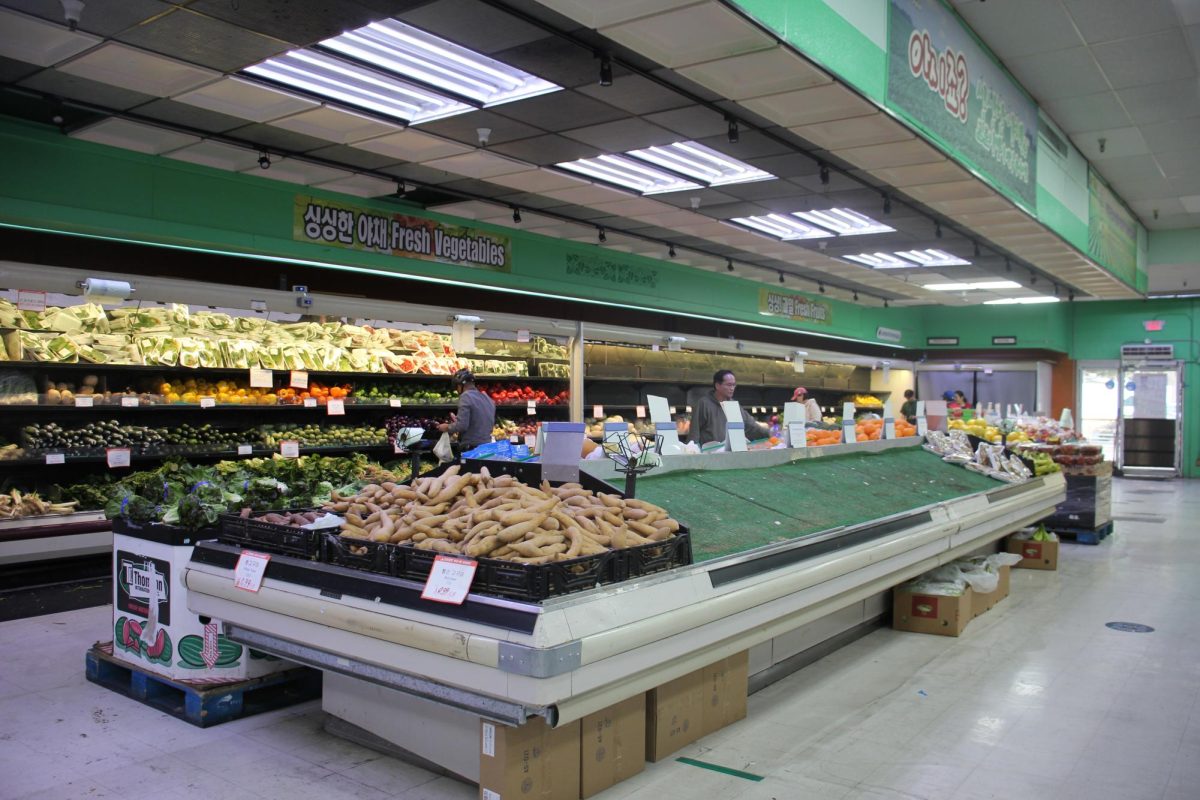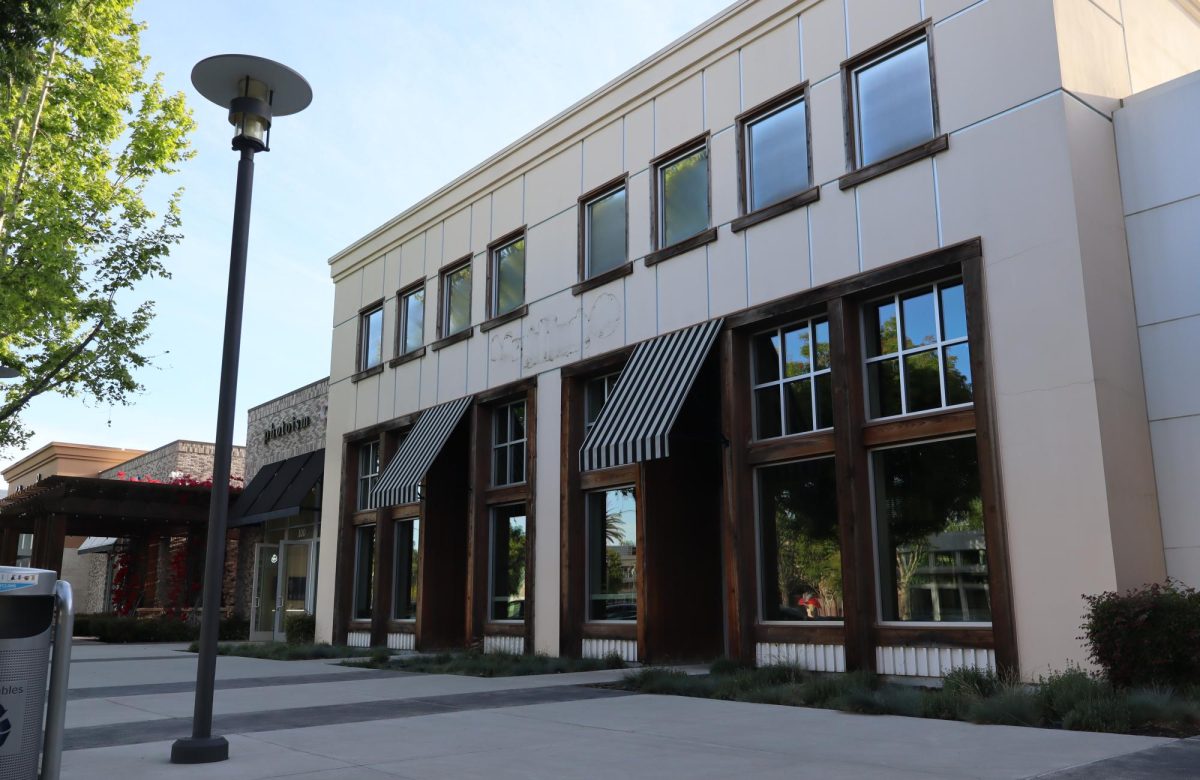



After 31 years of serving the Santa Clara community with its premium goods, Super Kyo-Po Plaza, a Korean supermarket located in the Homestead Square Shopping Center, closed permanently April 12, 2026.
The beloved market closed in light of Santa Clara County’s recent housing shortfall. Under California’s Regional Housing Needs Allocation process, the county will be building 129,577 new housing units by 2031. For the Homestead Square Shopping Center, this means a housing development project involving the demolition of all commercial stores and the construction of a 147-unit residential building. Construction is expected to begin in mid-2026.
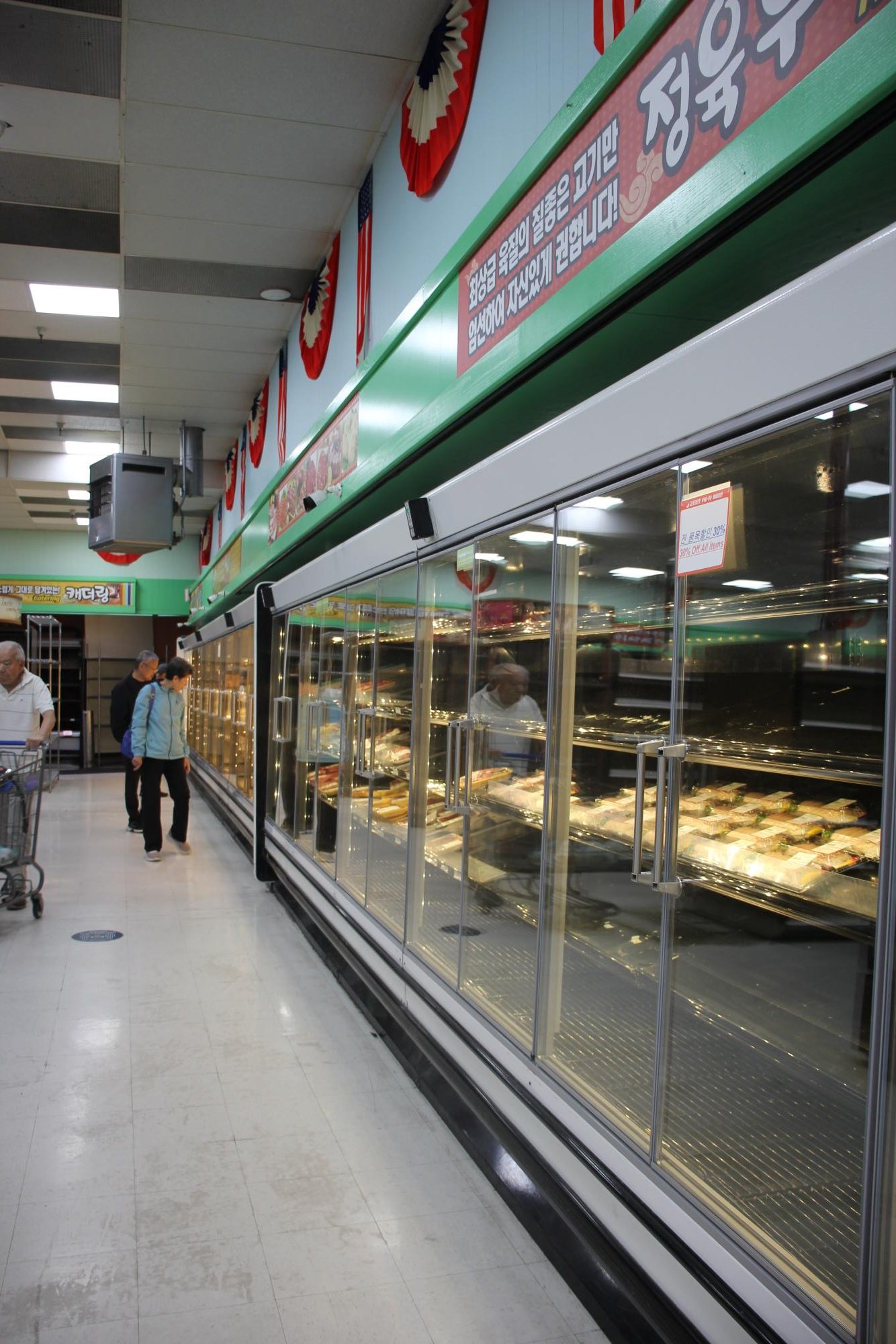
Since its establishment in 1994, Super Kyo-Po Plaza has brought the heart of Korean culture to the Bay Area. The market’s origins trace back to a small farm, where owner Steve Kim and his family spent years growing fresh produce after immigrating to the United States in 1975. Kim recalled his parents working a series of low-paying jobs before saving enough money to purchase land and begin farming. The 20-acre farm remains a family effort, with all members of the Kim family contributing to the business.
Over time, the operation grew into a large family-owned farm in California’s Central Valley, reaching 600 acres. With the rapid expansion of the business, Kim took on a different role, opening a market to sell the farm produce directly to customers while his brother managed the farm. At 26 years old, Kim opened Super Kyo-Po Plaza, first along El Camino Real before relocating to the Homestead Square Shopping Center in 2008. The market quickly became a fixture in the local Asian community, offering homemade Korean cuisine such as kimchi, bibimbap and Korean fried chicken; cosmetic products imported from South Korea; fresh produce; and nostalgic snacks.
“We had our ups and downs, but we were very loved in the Asian community in Silicon Valley, and so we were pretty successful right from the beginning,” Kim said.
Kim’s passion for running the market stems from a desire to make customers happy and to provide the highest quality goods with the most affordable pricing.
“That’s my background — I know how to buy, where to buy and at the best price. So when I see what I buy [sells well] and people are happy, then that excites me,” Kim said. “It excites me when customers are happy, and I see what I’m doing impacts their lives. I like to find good deals and pass them on to my customers.”
In the days leading up to the closing, Kim wanted to convey his gratitude toward his customers.
“I went out of my way to buy a truckload of produce from L.A. It was delivered today, and I have it on sale at almost near cost,” Kim said. “It’s just my way of thanking my customers, and I hope they take advantage of it.”
Many of Kim’s loyal customers have expressed support and encouragement for him to reopen. However, he remains concerned about longtime employees.
“Some of them have been with me for more than 20 years,” Kim said. “They’re like family, and I feel bad that I can’t keep supporting them.”
With customers asking about future plans for the market, Kim remains uncertain whether reopening would be a wise endeavor. “Recently, all these deep-pocket big corporations like H-Mart and Mega Mart started opening in this area, and has flooded the market,” Kim said. “It’s a lot more competition, and I don’t know how [the store] can sustain itself with these big stores opening all over […]. The mom-and-pop operations like myself [are] kind of dying out.”
Furthermore, rising commercial rent prices have made it difficult to find a new location. Kim explained that although he would love to reopen, the decision had to make financial sense in order to sustain the store.
In the meantime, Kim has shifted his focus to other business ventures with the same goal of sharing Korean culture with the community. Just last year, he opened his first Korean restaurant — Yummy Tofu and BBQ — and he hopes to open more around the area in upcoming years, taking a few Super Kyo-Po Plaza employees with him.
“We’ll just put it out in Korean newspapers, and some of the Asian newspapers in the beginning. And maybe YouTube and social media,” Kim said. “Once it’s all set, we will announce it.”
Kim has found many aspects of the transition to be emotionally difficult, particularly due to the store’s long history and his close ties to employees and customers.
“There are good days, there are bad days — it’s only natural,” Kim said. “But I’ve tried to keep my head up high and look towards the future […]. When you’ve done it for 31 years, it’s kind of sad to see it just go away.”