

From classic works like Shakespeare’s “Hamlet” to modern television series such as “Euphoria,” the “she-tragedy” archetype has persisted over time, glorifying female suffering as a means of appealing to viewers. However, this trope has evolved to romanticize the helplessness of heroines, becoming disconnected from women’s struggles beyond cinema and distorting viewers’ sense of the truth.
The term “she-tragedy” refers to the genre of media that centers around female suffering, portraying the anguish of weak female characters as poetic or meaningful. Dating back to the 18th century, the “she-tragedy” narrative can be seen throughout many works of media, including Shakespeare’s “The Taming of the Shrew.” Its compelling storyline leads to success in the film industry but also exploitation of female pain, upholding harmful gender stereotypes.
This trope began in early 18th-century plays, depicting the female main character as an innocent and vulnerable heroine met with an unfortunate fate. Female protagonists are frequently subjected to hardships like rape, death or family struggles, often as a consequence of sins committed earlier on. Many of these plays end with the heroine taking her own life due to the pain she endured. These plays focus on displaying female suffering in a romanticized way.
The allure of this archetype has captivated audiences across generations, remaining an often-exploited media cliche. Although not widely recognized by name, she-tragedies are a long-standing classic trope, found in works like “Hamlet” and Tolstoy’s “Anna Karenina.” “Hamlet” idealizes the death of Ophelia, an obedient, grief-stricken lover driven to madness after the death of her father. Similarly, “Anna Karenina” revolves around the female protagonist’s turmoil in imperial society and her descent into despair, with her eventual death aestheticized as well.
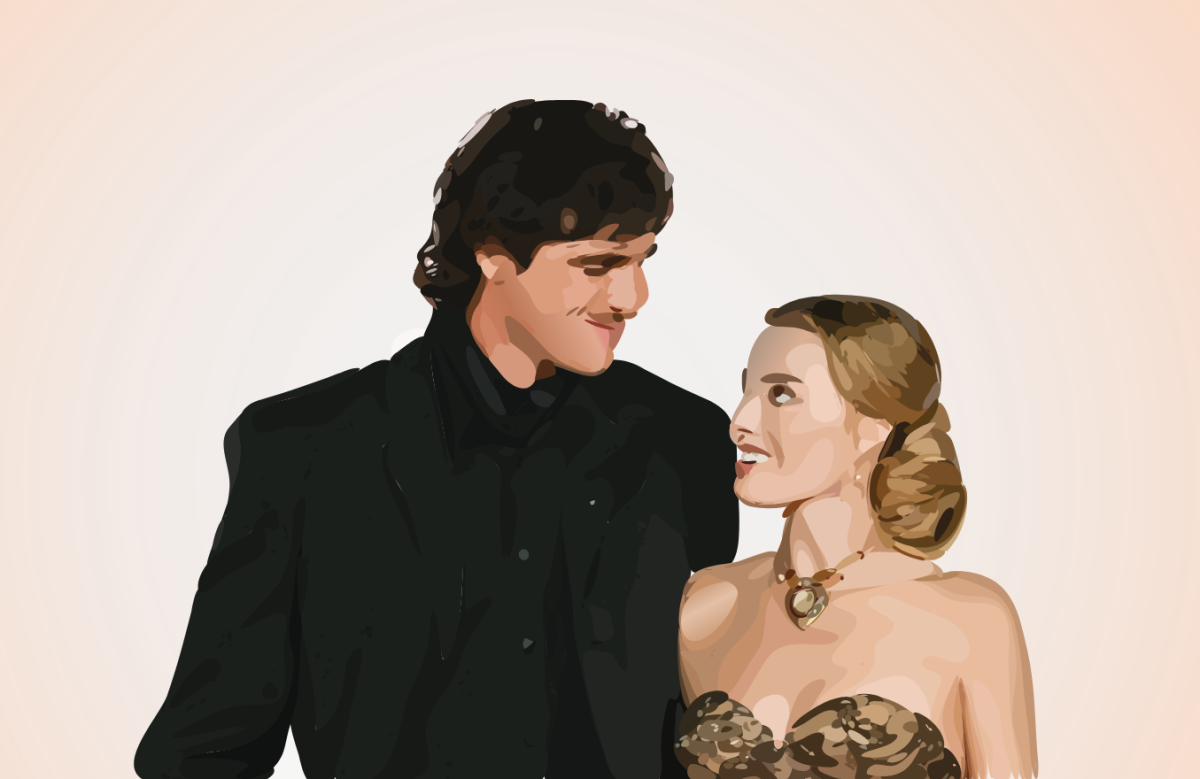
The genre has declined over time, but is still prevalent in modern media. Furthermore, it has evolved to include more modern issues, such as social media and mental health. Series such as “Euphoria” and “Fleabag” show many moments of women’s suffering and vulnerability, exploring themes of drug abuse and attempted suicide. In particular, “Euphoria” highlights a teenage girl’s struggles with addiction, while the “Fleabag” series traces the protagonist’s emotional journey of grief and shame following her best friend’s death.
The lasting presence of this archetype raises the question of why it continues to captivate the public. For one, this genre is often portrayed with comedy, creating a melodramatic atmosphere that draws people in with its poeticized storylines. The engaging drama of the trope specifically relies on the actresses’ ability to evoke a sense of pity from viewers, deepening the emotional response and general appeal. In addition, these stories are used as coping mechanisms, allowing the audience, especially women, to identify with the characters’ experiences and struggles of repression. By doing so, viewers are able to indirectly process their own emotions, leading to a dependency on the trope.
In she-tragedies, women often assume the role of a tragic protagonist to align with societal expectations, introducing a new issue within the archetype. These tragedies scapegoat women for media profit, perpetuating sexist stereotypes of female weakness. Ultimately, she-tragedies mask women’s pain by misconstruing their experiences and negating the intended purpose of such narratives: to shed light on current societal issues and compel viewers to reflect.
The problematic portrayal of female trauma, particularly in modern media, has been disregarded by viewers and perpetuates the idea of women being helpless. Although stereotyping is still seen today, current film and media work to avoid tropes like the she-tragedy, aiming to showcase more diverse and realistic perspectives on women.