
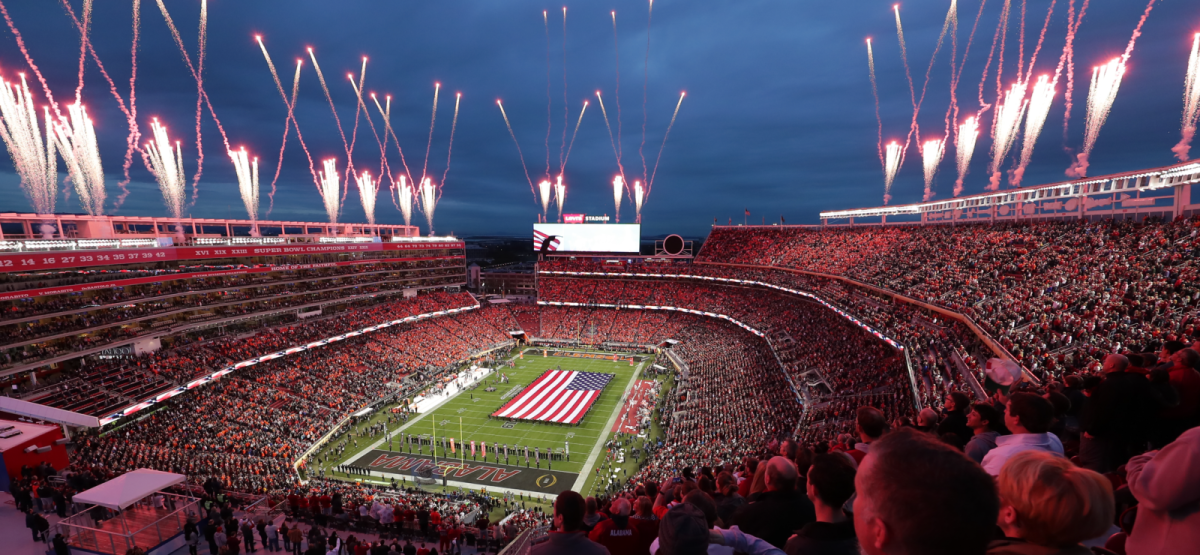
On Feb. 8, 2026, the Super Bowl will be held at Levi’s Stadium, home of the San Francisco 49ers — followed by the FIFA World Cup, with match dates beginning in June and spanning into July. With Santa Clara being chosen as a host city for two major sporting events, 2026 will bring a major spotlight to the Bay Area.
The first official Super Bowl was held in 1967 as an American Football League–National Football League championship game, bringing the organizations together. The event experienced massive growth through television, intense competition and halftime shows. Today, millions gather to watch the Super Bowl as it has become a core part of American culture.
Another global sports event, the World Cup, was first held in 1930 in Uruguay. It is hosted every four years, and has risen to become the prime international soccer tournament for national teams. The FIFA World Cup now brings together billions of fans across the world — it represents national pride and is the ultimate prize in soccer.
Commonly, events like the Super Bowl or World Cup are hosted in major commercial cities such as Los Angeles and New York. Despite the Bay Area being a vast and diverse region, it is not frequently chosen as a prime location for global events. The most recent time the Bay Area hosted the Super Bowl was a decade ago, on Feb. 7, 2016. The Bay Area has not held the FIFA World Cup since 1994.
The Bay Area being chosen to host these events can be attributed to several factors. One important aspect is that it carries a vast selection of hotels. In 2025, when the Super Bowl was held in New Orleans, hotel capacity was an issue, meaning some fans needed to stay outside of Louisiana. In addition to the variety of hotels, the Bay Area will also feature organizations such as On Location to provide visitors with experiences including wine tours of Napa Valley or golf at Pebble Beach.
The Super Bowl and World Cup are projected to draw in thousands of fans and generate a total of $630 million in economic revenue. The Bay Area is expected to see an increase in tourism with around 500,000 visitors for both events, as well as an increase in local spending. Hotels, bars and local businesses are expected to have a rise in direct revenue. The Super Bowl and World Cup have the capacity to create both temporary and permanent jobs, as well as increase transit use.
Consequently, hosting these kinds of events requires cities to invest a significant amount of money, which may not be fully recovered in revenue. For instance, Qatar hosted the World Cup in 2022, with total costs reaching over $229 billion, which went far over budget. Economic benefits tend to be more short-lived, and repercussions can include expensive maintenance or abandonment of infrastructure. Traffic and congestion can hurt regular business operations, driving away local customers. When Louisiana hosted the 2025 Super Bowl, numerous small businesses recorded lower traffic than was expected. Additionally, locals may experience temporary inflation, including higher hotel prices.
The NFL and Bay Area Host Committee have promised to support local businesses across the Bay Area by choosing strategic locations for Super Bowl or World Cup-related events and helping with marketing strategies. San Jose Pedro Square will be used as a core entertainment area, specifically to help drive foot traffic to local restaurants, bars and other establishments. San Francisco will be the main entertainment center for the World Cup across the six matches being hosted, with an emphasis on its soccer bars.
Additionally, in preparation for these events, San Francisco has been cleaned up and made safer overall. Homelessness has been a large concern — however, organizers have worked to relocate individuals, making it safer and more walkable for tourists. Moscone Center in San Francisco has been greatly improved and will host several key events. Furthermore, other advanced safety measures, such as cargo X-ray machines and high-quality surveillance systems, are being implemented and strengthened.
San Jose Mayor Matt Mahan estimates that the city has invested about $5 million into preparation for the Super Bowl. Santa Clara has worked hard to renovate Levi’s Stadium, an operation costing around $200 million — funded by the 49ers themselves. Levi’s Stadium is the only venue globally that will host both the Super Bowl and the World Cup in the same year. Organizers, including the 49ers and FIFA, want to enhance the stadium’s image and keep it on a competitive edge.
Levi’s Stadium has incorporated two new 4K video boards and around 55,000 square feet of new LED ribbon boards and LED field lights to enhance the viewing experience. Wi-Fi and cellular networks have been updated, and more than 120 luxury sites and club spaces were remodeled with the addition of patio bars. To meet FIFA World Cup standards, 20 extra field seats were added, and the team store was renovated for fans.
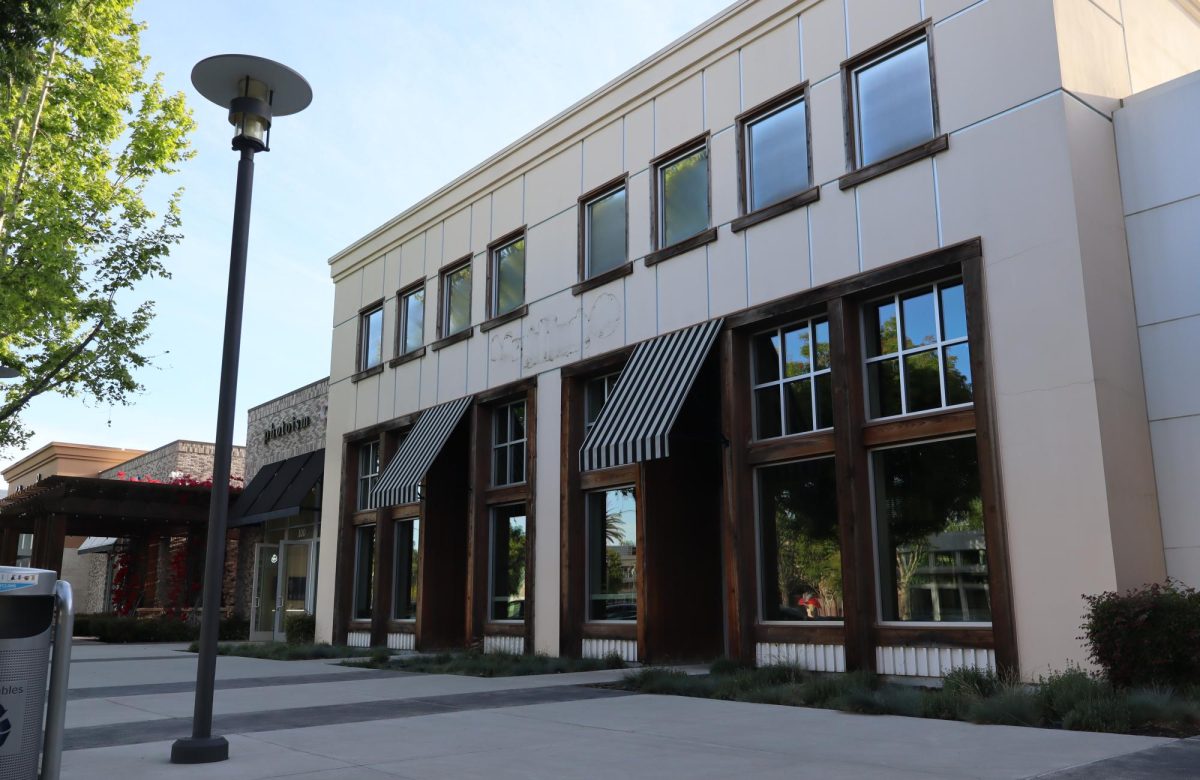
In the most recent Super Bowl, side events such as watch parties were primarily held in downtown San Francisco. In 2026, San Francisco will hold an NFL fan zone, among other festivities that will be hosted throughout the South Bay. For example, the Super Bowl Opening Night will be held at the San Jose Convention Center. Additionally, Downtown San Jose will host a multi-day festival zone with concerts, street parties, fan activations and a drone show. Santana Row will also hold a four-day celebration with food, live DJs, fan activations and an NFL pop-up Shop.
Said Zaileen Janmohamed, president and CEO of the Bay Area Host Committee, “These events are the catalyst, but it’s the people, the culture and the genuine connections between local communities and visitors from around the world that will create those unforgettable memories that bring people back.”