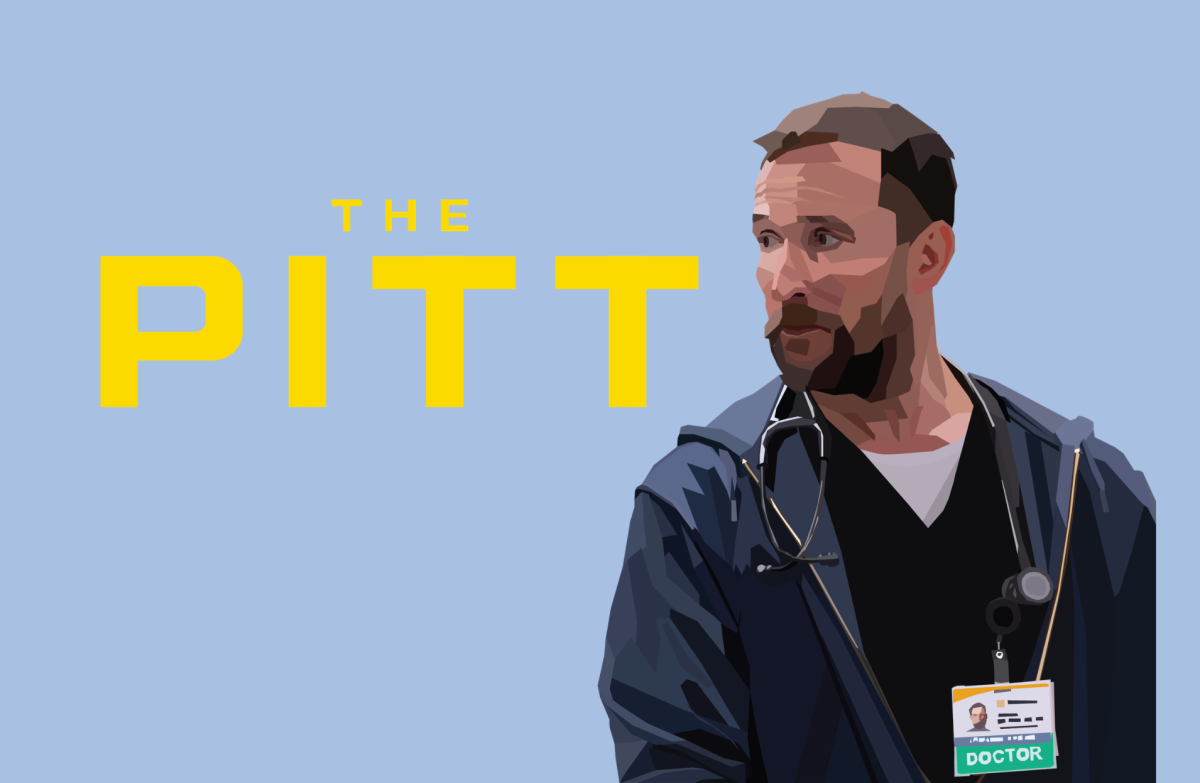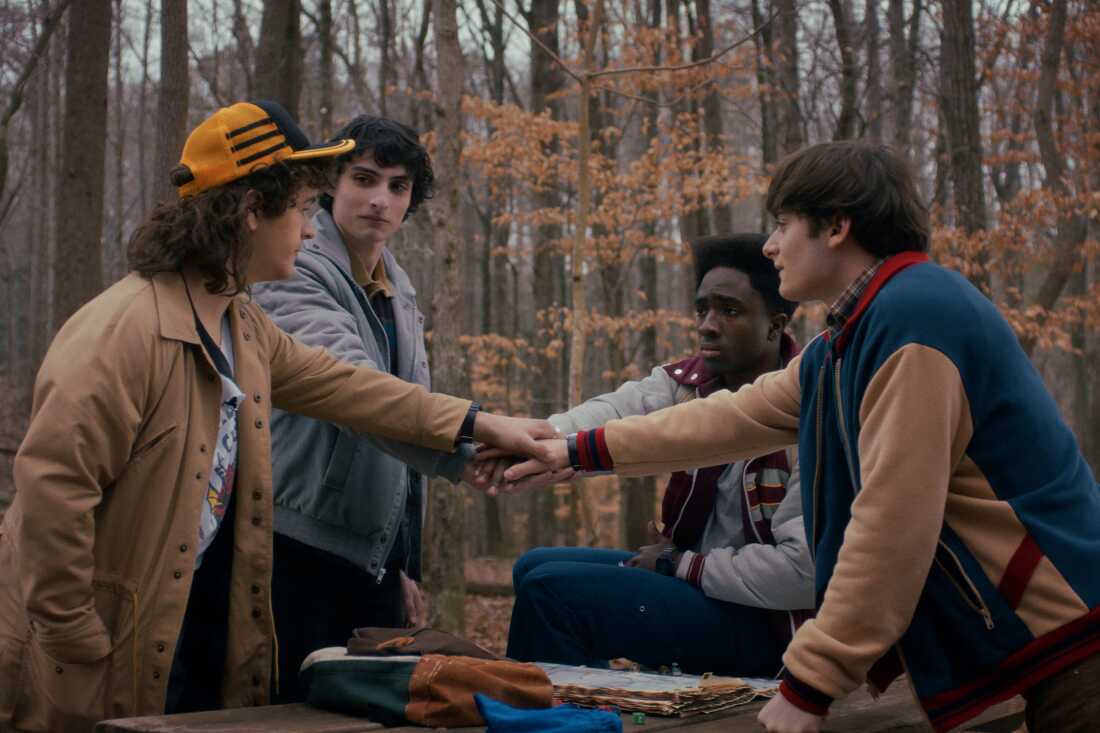


“Wuthering Heights.” “The Drama.” “Project Hail Mary.” Even for audiences who have yet to watch these films, the latest movie releases in theaters feel strangely familiar — and all for one reason. The majority of recent movies have openly starred famous, headlining actors such as Margot Robbie, Zendaya and Ryan Gosling. For many, it seems as if the same faces dominate previews and circulate on the big screen every three to six months. Ironically, Hollywood studios have been the key to preserving this phenomenon in the modern day — the recycling of movie stars dates back to the very beginning of the American film industry.
In the 1920s, the adoption of the studio system began to redefine Hollywood’s filmmaking industry, replacing several small film companies with a few monopolistic movie studios. The objective of this business strategy was to centralize production, control distribution and, most importantly, make a profit. Aspiring actors struggled to secure employment under this new system, so studios used their eager vulnerability to their financial advantage. Companies signed a select few to long-term contracts, promising stardom. To their luck, studios discovered the formula for reeling in profits — by contracting an enthusiastic minority of actors and fabricating a marketable archetype for them, studios could distinguish themselves from their competitors and entice audiences to invest.
However, the controversial oligopoly of Hollywood studios reached the Supreme Court in the 1950s, dissolving the studio system and giving way to a film entertainment industry where actors could work independently. Despite this change, the same revolving door of actors remained poised on their silver screens, and Hollywood continued to puppeteer this phenomenon into today’s movie industry.
Among other reasons such as typecasting, the familiar lineup of movie stars occurs because Hollywood needs to generate profits. With production costs rising, studios must release movies that guarantee revenue. Using name recognition as a marketing strategy allows viewers to associate new movies with the famous actors that will star in them. However, in movie production, minimizing losses can lead to conventional movies rather than original pieces born from creative risks.
Viewers’ emotional investment in a film’s characters depends heavily on their uniqueness and humanity. Recently, the rotation of the same few actors has left audiences feeling disconnected, as it shifts their attention away from the story’s characters and onto the famous actors. In particular, biographical motion pictures, also known as biopics, have faced ridicule for casting popular actors as historical figures that they have no close resemblance to. For example, online discourse has spread regarding Sydney Sweeney playing Christy Martin and the unconfirmed casting of Anya Taylor-Joy as Joni Mitchell. The pending biopic of the Beatles is an even more egregious representation. Critics are already disappointed that the Liverpool authenticity — a hallmark of the Beatles — will be lost due to its casting. Introducing fresh faces to Hollywood might give viewers the opportunity to better identify with the fictional narrative and thus invest in the movie’s success.
Furthermore, this phenomenon that Hollywood has fostered for decades is likely costing them now. Lately, many movies have not been earning back their costs of production. The domestic box office — the total gross revenue generated by films in the United States and Canada — is the general metric to assess a movie’s commercial or financial performance. According to The New York Times, movie theater profits in the U.S. and Canada were $445 million in October 2025, the lowest on record after accounting for inflation. Films such as “Good Fortune” and “Bugonia,” with renowned actors like Keanu Reeves and Emma Stone, have been tanking financially, most failing to break even and some not even making back half the cost of production. Although the post-pandemic rise in streaming services has indirectly reduced ticket revenue, profits collected from streaming service subscriptions are significantly less compared to ticket sales and cannot be entirely responsible for Hollywood’s underperformance.
Although award-winning movies like “Marty Supreme” starring Timothée Chalamet and “Hamnet” with Paul Mescal have made substantial profits in the box office, these movies are only exceptions to Hollywood’s system. In reality, this revolving door of movie stars fails to attract audiences and reel in the profits that Hollywood is after. If moviegoers are tired of seeing the same actors, and if studios no longer benefit from casting them, perhaps it is time to invite new actors to diversify the cinema scene.